
MADDIE CHAPMAN: SAILING 8,000 MILES ACROSS THE PACIFIC
A WOMAN AT THE HELM
Meet Maddie Chapman: "I’m the captain of a 62-foot sailing yacht, taking her 8,000 miles across the Pacific from Mexico to New Zealand. The Pacific is the largest ocean on Earth, and this is the Bora Bora to Fiji leg - 1,800 nautical miles of open ocean, remote islands, reef breaks, squalls, diving, and chasing waves along the way.
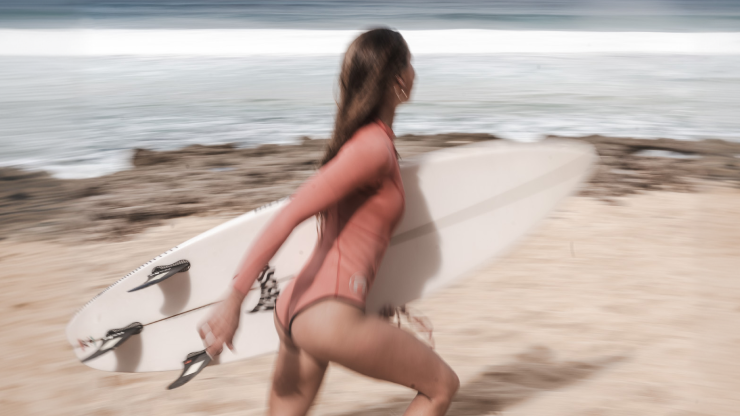
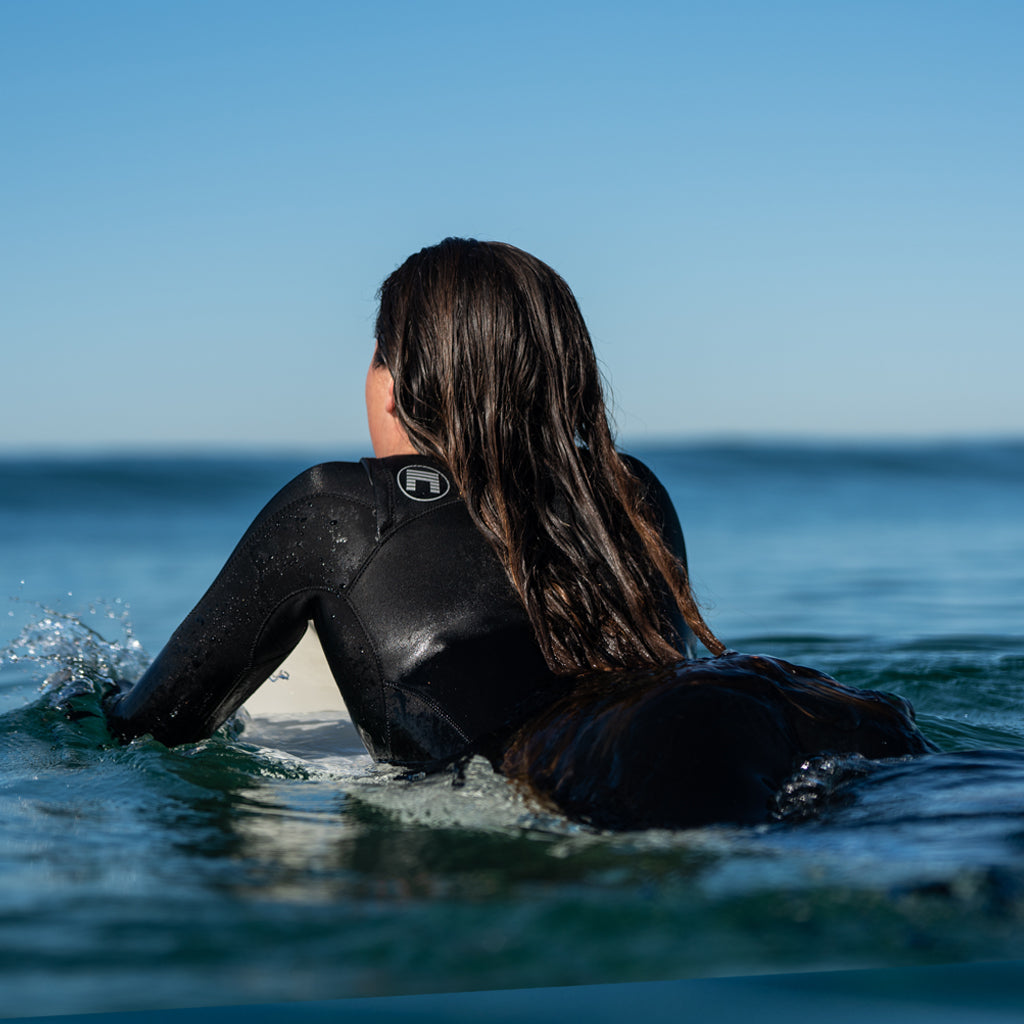
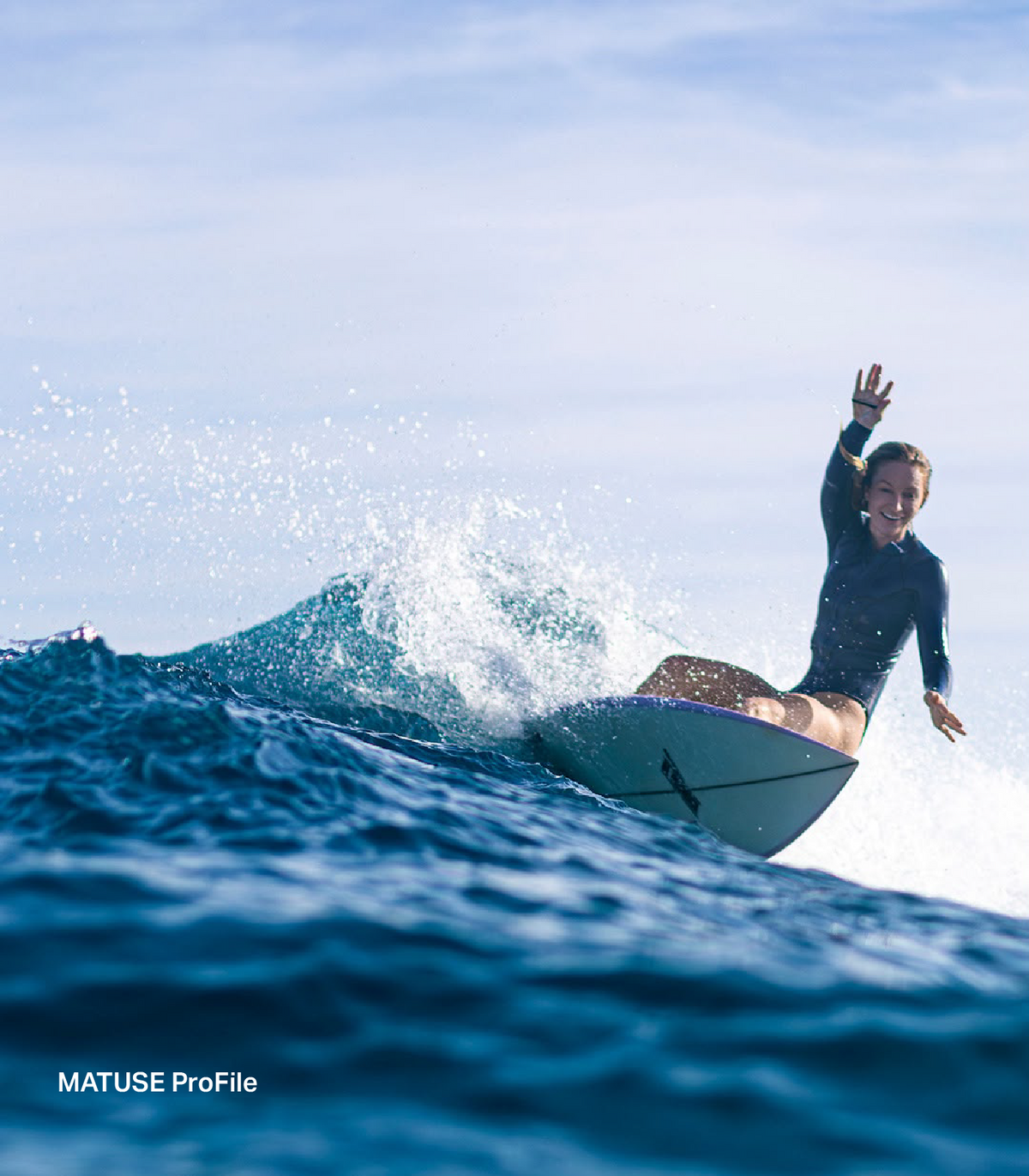
There still aren’t many female captains in the professional yachting industry, and I’m proud to be one of them. My days are usually split between navigating, fixing whatever needs fixing, and keeping the boat and crew moving safely. And whenever I get the chance, I’m in my Matuse suit — surfing, diving, and exploring some of the rare and untouched places scattered across the most remote places in the Pacific Ocean."

Where did the idea for this crossing begin, and what made you decide to go?
It started as a job. I was asked to captain her for a lap of the Pacific, this year started in La Paz, Mexico, and end in New Zealand by the end of the year. The stretch from Mexico to French Polynesia, which sailors call the “Coconut Milk Run”, is a passage I've always dreamed of doing, so this was the perfect opportunity to do that and so much more. Next year will take us to Indonesia, Japan, Alaska and Canada.
What was your route, and what did you expect the journey to be like before you left?
We left from La Paz, Mexico, and crossed to the Marquesas, then worked our way through the Tuamotus and the Society Islands, on to Tonga and Fiji, and finally down to New Zealand. I expected long stretches of open ocean, heavy weather and constant repairs, and of course that's what you get. That's the job. What I didn't expect was how much magic would happen in between: whales in Tonga, sharks in Fakarava, and reef breaks with nobody else out.

How did your relationship with the ocean change after weeks of living so close to it?
You start to feel everything. Every shift in the wind, every squall, every change in air temperature, even when I'm down below and not on watch. After 19 days straight at sea on the first crossing, you'd think you'd be desperate for land, but you get into such a rhythm that you feel like you could go on forever. You become so in tune with nature out here, and it feels like a much healthier way to live than modern life on land. The ocean forces you to be present. You take every calm moment as a gift and every hard moment as the next challenge you're ready for.
What does being at the helm mean to you beyond steering the boat?
It means everything is on you. The weather calls, the route, the repairs, the crew's safety, the mood on board. Being at the helm as Skipper is about making decisions with confidence even when you don't have every answer, and owning them. It's also about showing that a woman can do this job, and do it well, in an industry where that's still rare.
What did 8,000 miles teach you about yourself that you couldn’t have learned on land?
That I'm more capable than I give myself credit for. Out there, there's no one to call and nowhere to hide. When something breaks or the weather turns, you just deal with it. It taught me to trust my own judgement, stay calm under pressure, and back myself. On land I'd second-guess things. At sea, you can't afford to.