
Matuse Profile: Bryan Niven
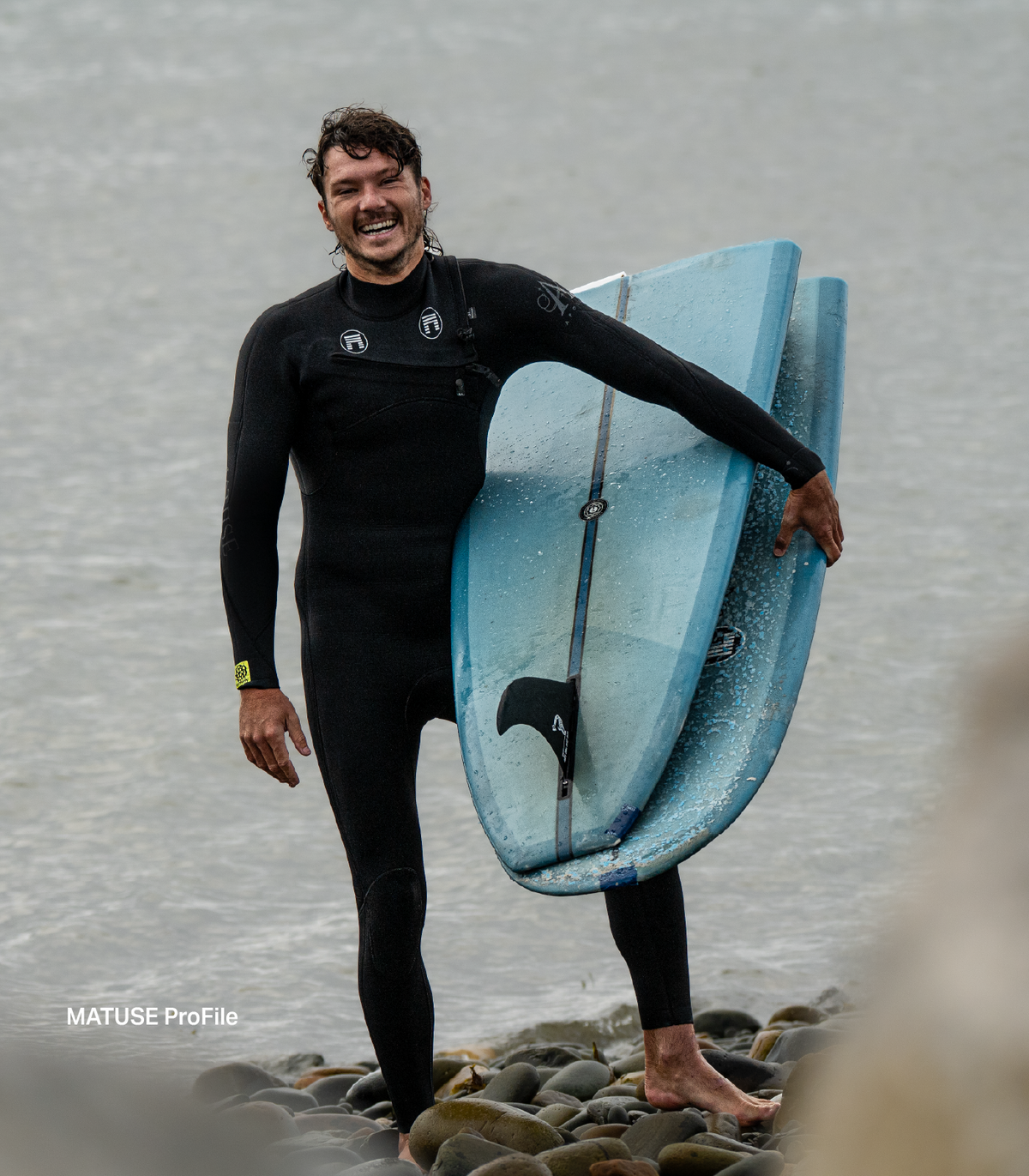
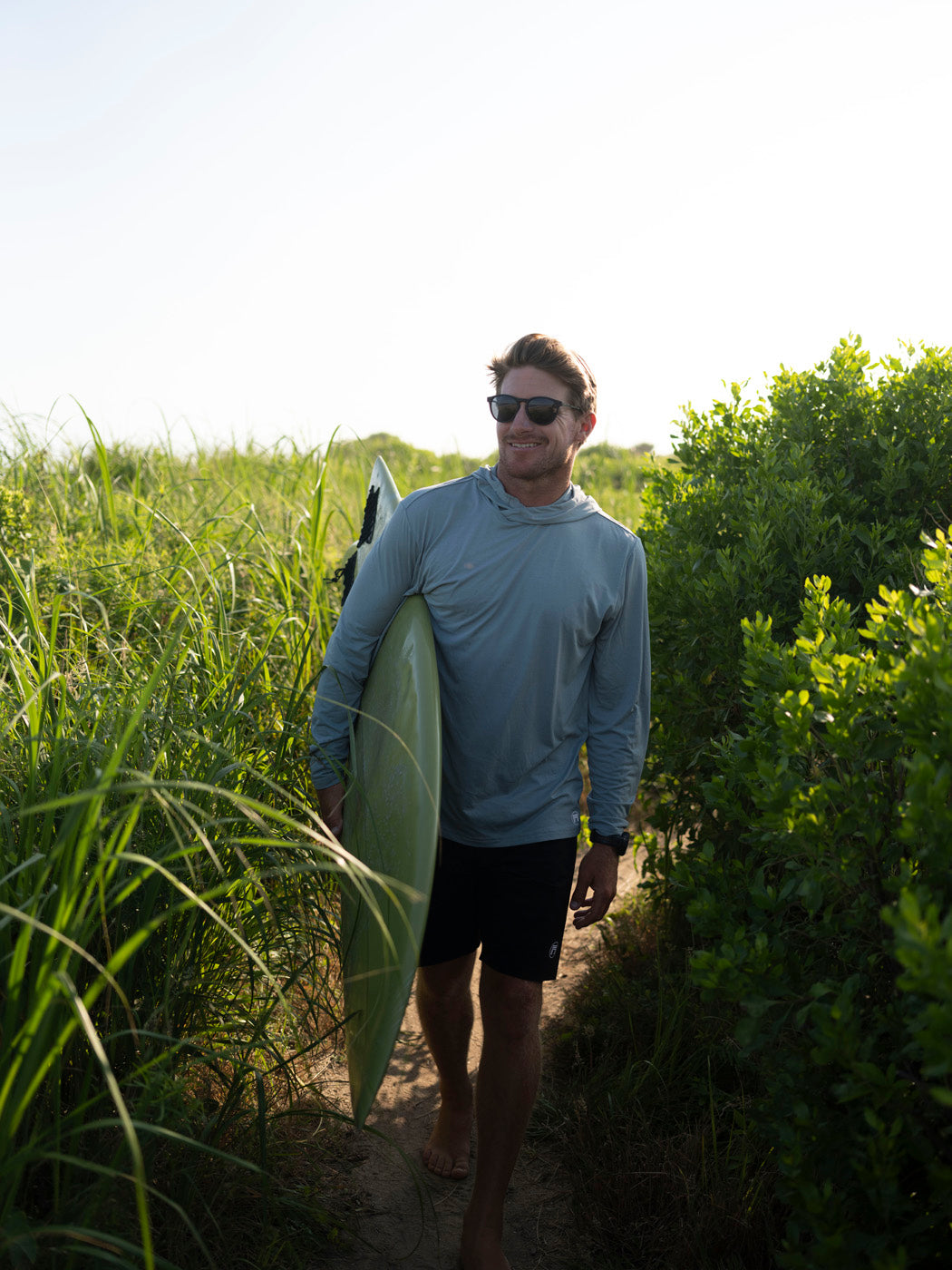
Meet Bryan. He got barreled on the first wave he ever bodysurfed, and he's been chasing that feeling ever since. We caught up with him about gliding, the Pismo Pier and building LUNCHTRÉ.

What drew you to bodysurfing?
Actually, I grew up surfing a traditional shortboard, and NEVER saw anyone bodysurf. In fact, other than messing around in the whitewater, I didn't even know it was possible. I skateboarded a ton and snowboarded too, so using a surfboard was the natural ocean equivalent. Later in my life, after running my art and photography studio outside California, I moved back to the coast and desperately wanted to get back in the water. I didn't have a surfboard anymore, so I borrowed a wetsuit from a friend and just planned on swimming around in the ocean behind my house.
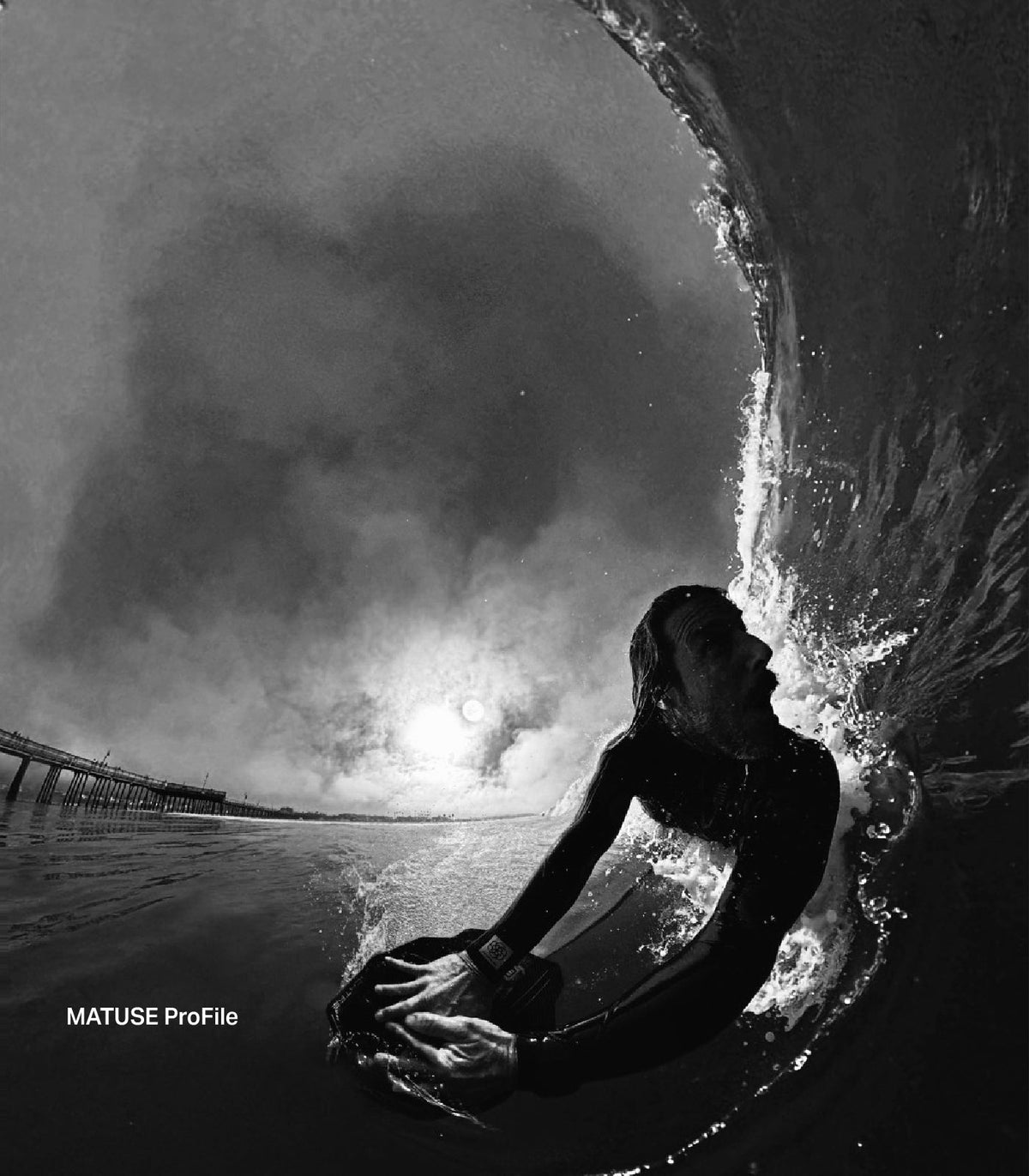
The first wave I caught was a decent set wave, going left. All those years of surfing knowledge came flooding back as the wave began to lift me. Almost instinctively, I leaned back against the face of the wave with one arm extended, using the other one as a counterweight. I dropped into the pocket, and to my surprise, I began going down the line. I remember looking up as the lip came flying over my head, placing me deep in the barrel. Without swim fins, the wave eventually outran me, but that moment was life-changing. I'd never felt so alive in the ocean, or so connected.
Can you describe the feeling of gliding like that?
It's how I'd imagine flying would feel, only through liquid. It's really hard to describe! With a surfboard or even a bodyboard, there's a separation between your body and the ocean because the board physically blocks the connection. Bodysurfing allows you to feel exactly what's happening beneath you and respond instantly. My body is 100% connected to the wave.
Because you're so low to the surface, the perception of speed is unmatched. Imagine riding in a double-decker bus versus a Formula 1 car on the freeway. Even if you're driving the exact same speed, the race car would feel 10 times faster because you're so close to the ground. Kinda like flying a jet just a few feet over the surface of the ocean going 500 MPH vs. flying at 30,000 feet. Same speed, yet a dramatically altered perception of speed.
What's your view like from inside the wave?
In order to replicate my perspective with traditional surfing you’d typically need a very large, high-performance wave. Looking at my photos and videos, many have assumed I was surfing famous breaks, under epic conditions, but the truth is I’m not. I always say that bodysurfing can make average waves look world-class.
I’ve seen your clips navigating the Pismo Beach Pier. What’s going through your head as you’re dodging those pillars? How technical is a maneuver like that?
Crazy right?! So if you watch my videos where you can see my face, you’ll notice I am constantly analyzing and calculating. It requires precise timing, and constant micro-adjustments. Once you enter the pier at full speed, you can’t simply change your mind. It’s like ollieing onto a handrail in skateboarding. It’s full commitment. So, as a disclaimer, please don’t try this at home, haha!
With no board under you, the suit is a fundamental part of your gear. What do you need from a wetsuit?
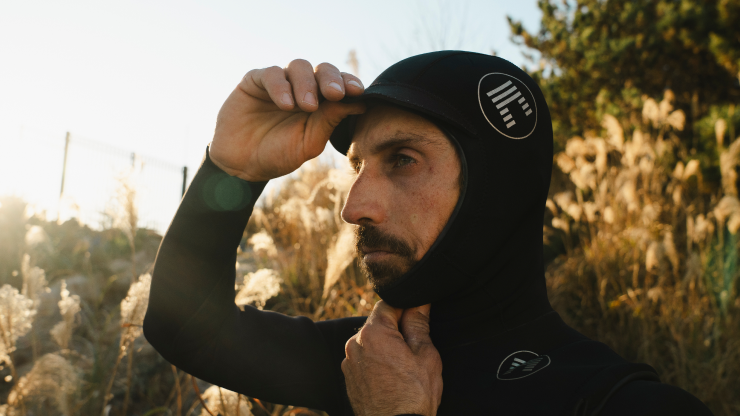
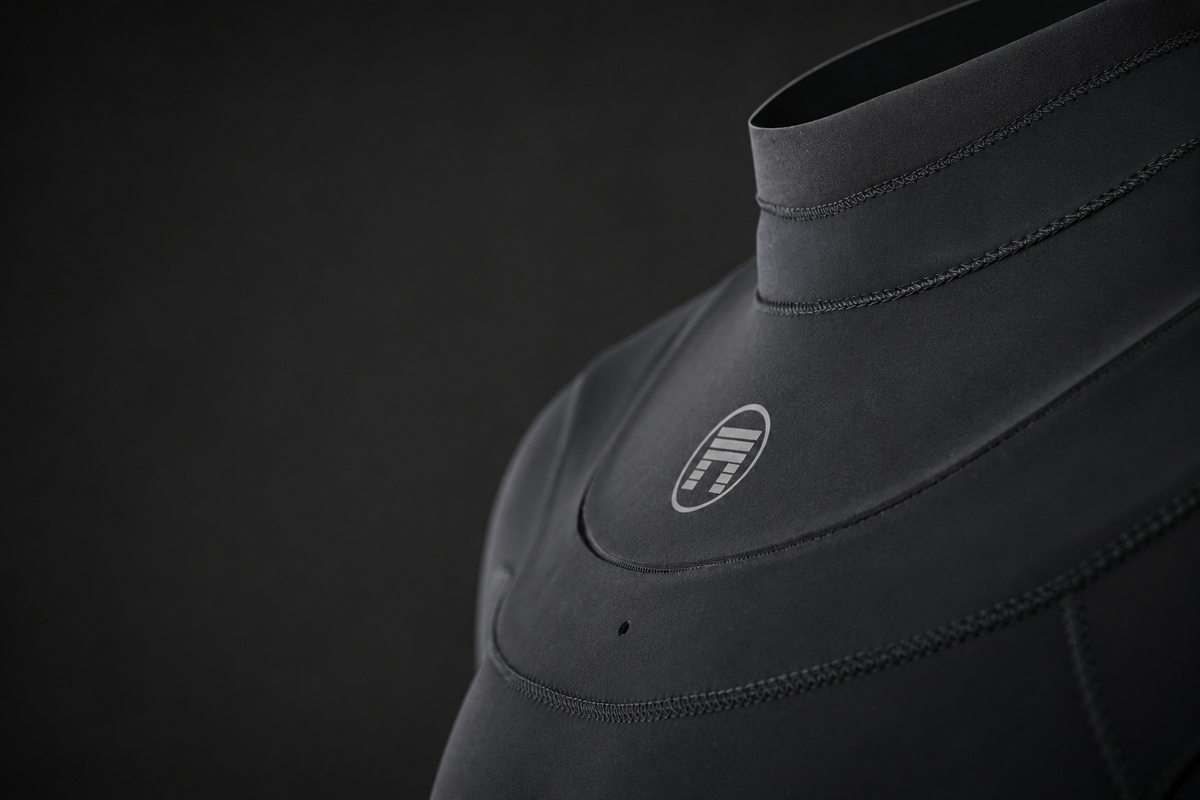
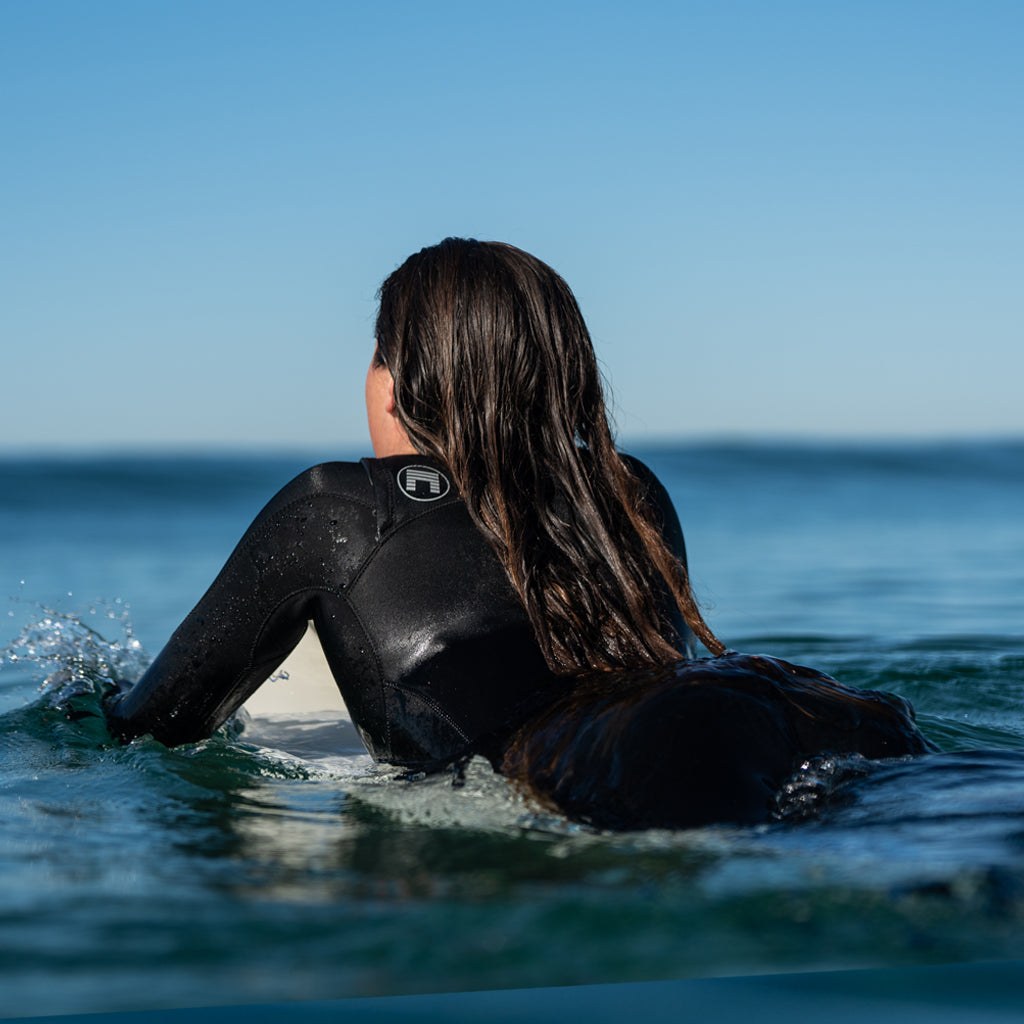
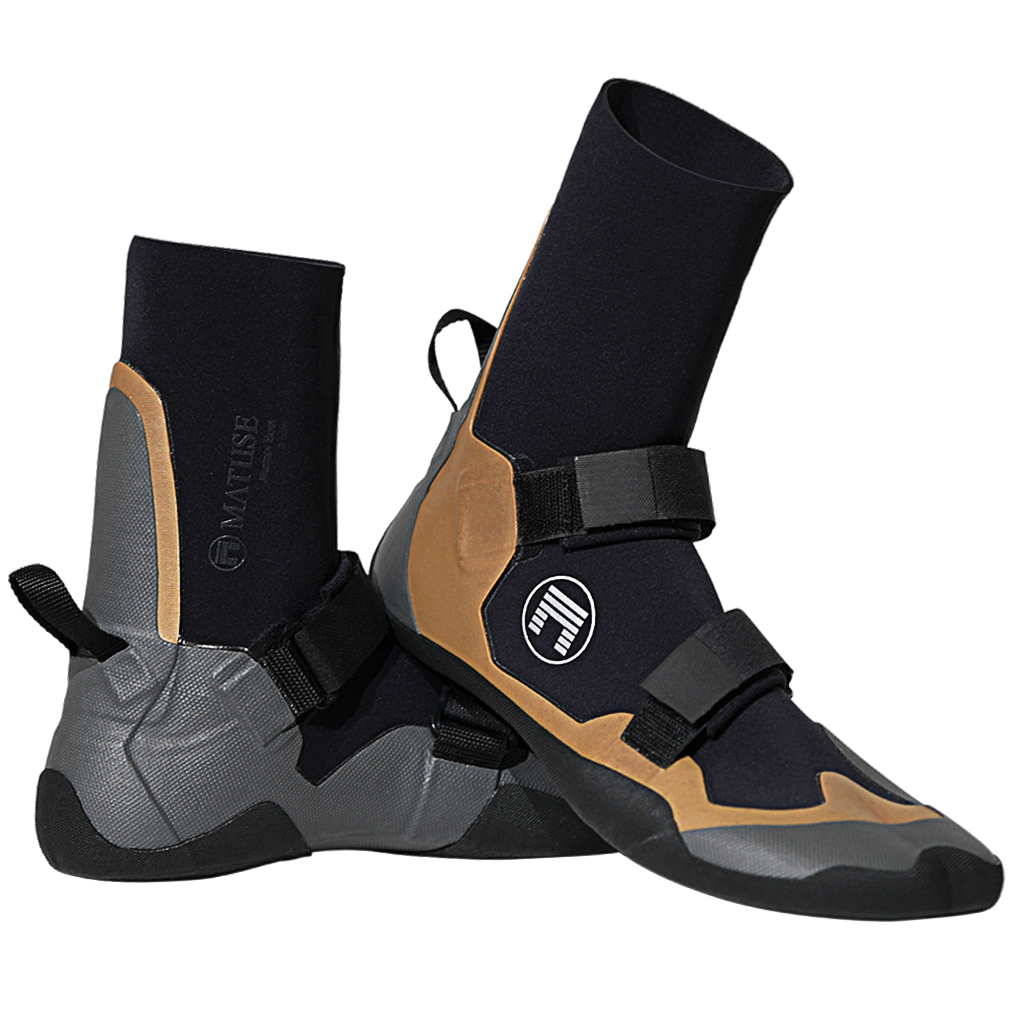
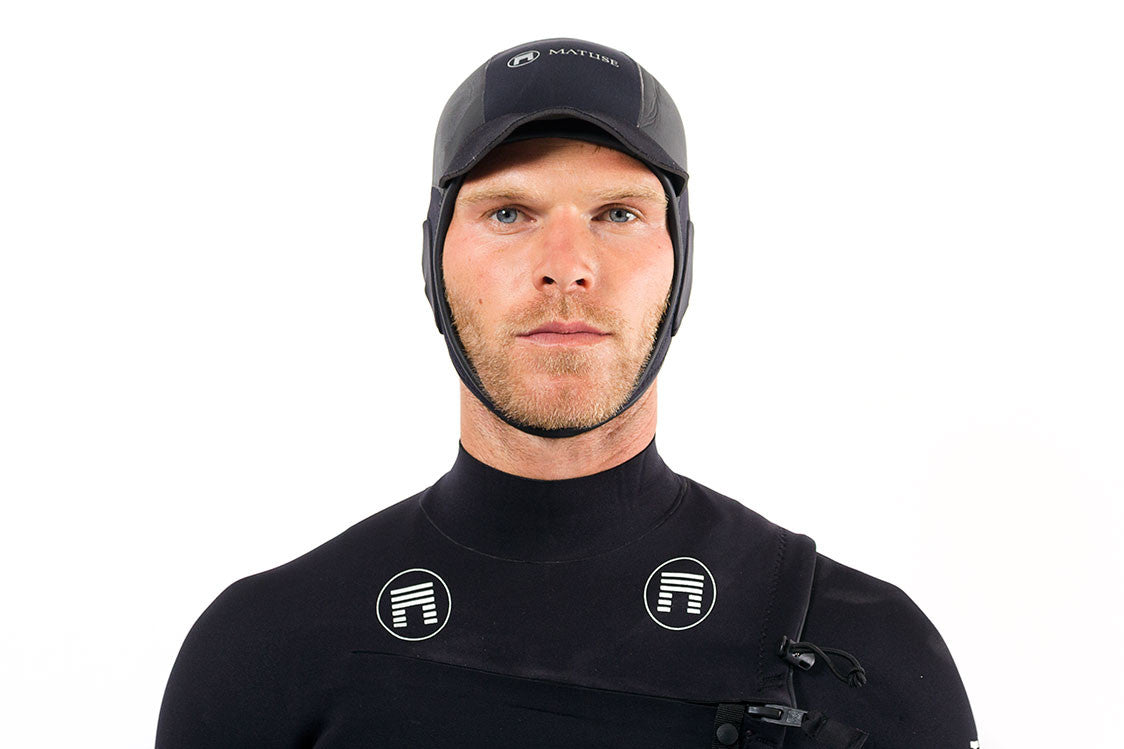
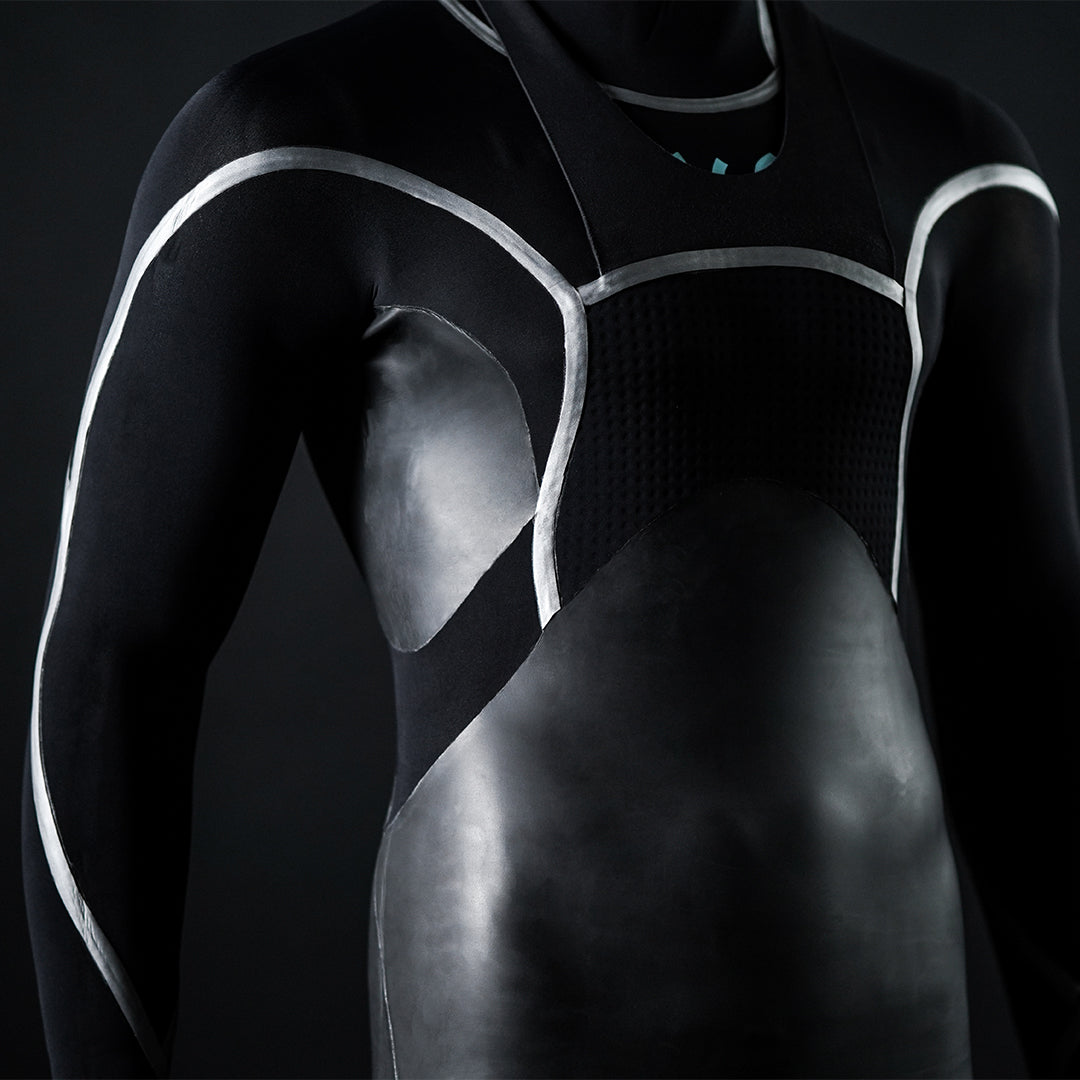
For me, a wetsuit is a HUGE part of bodysurfing. Warmth is, of course, a critical factor, especially because I'm submerged up to my neck the entire time. Buoyancy is actually a factor I hadn't considered before, and it's also really beneficial. Another thing I love about Matuse is how lightweight, comfortable, and flexible their suits are. I'm constantly treading water, swimming, and bending my body in every direction, so freedom of movement is essential. If you think about it, a wetsuit is technically enhancing your body's responsiveness as well, as the material stretches and recoils. Pretty cool!
What's your go-to Matuse suit?
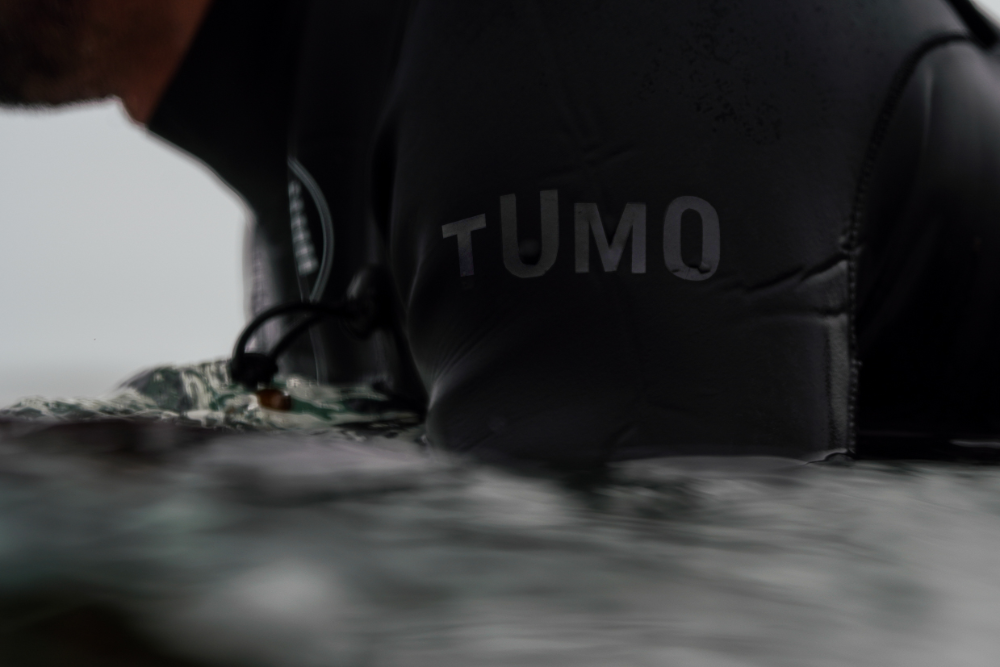
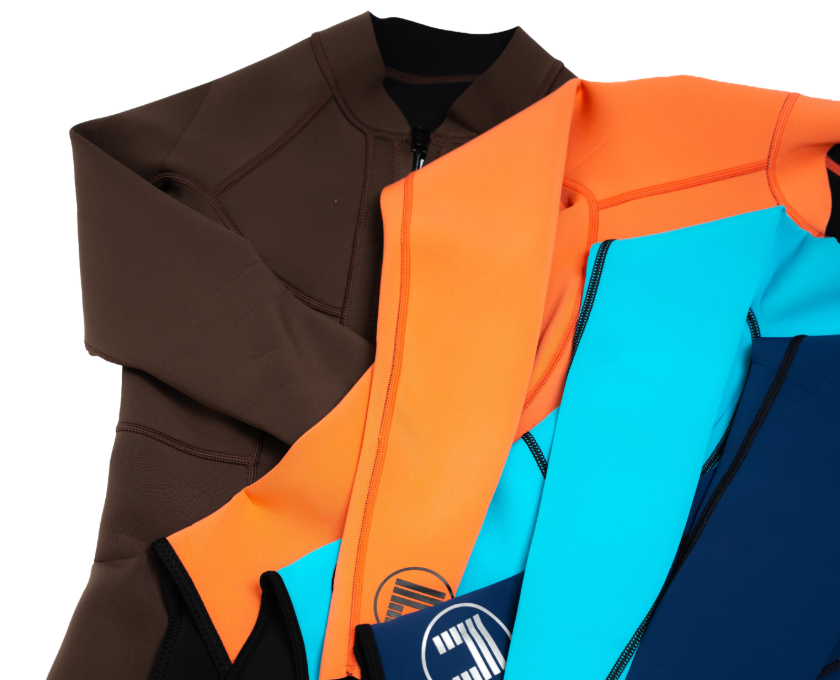
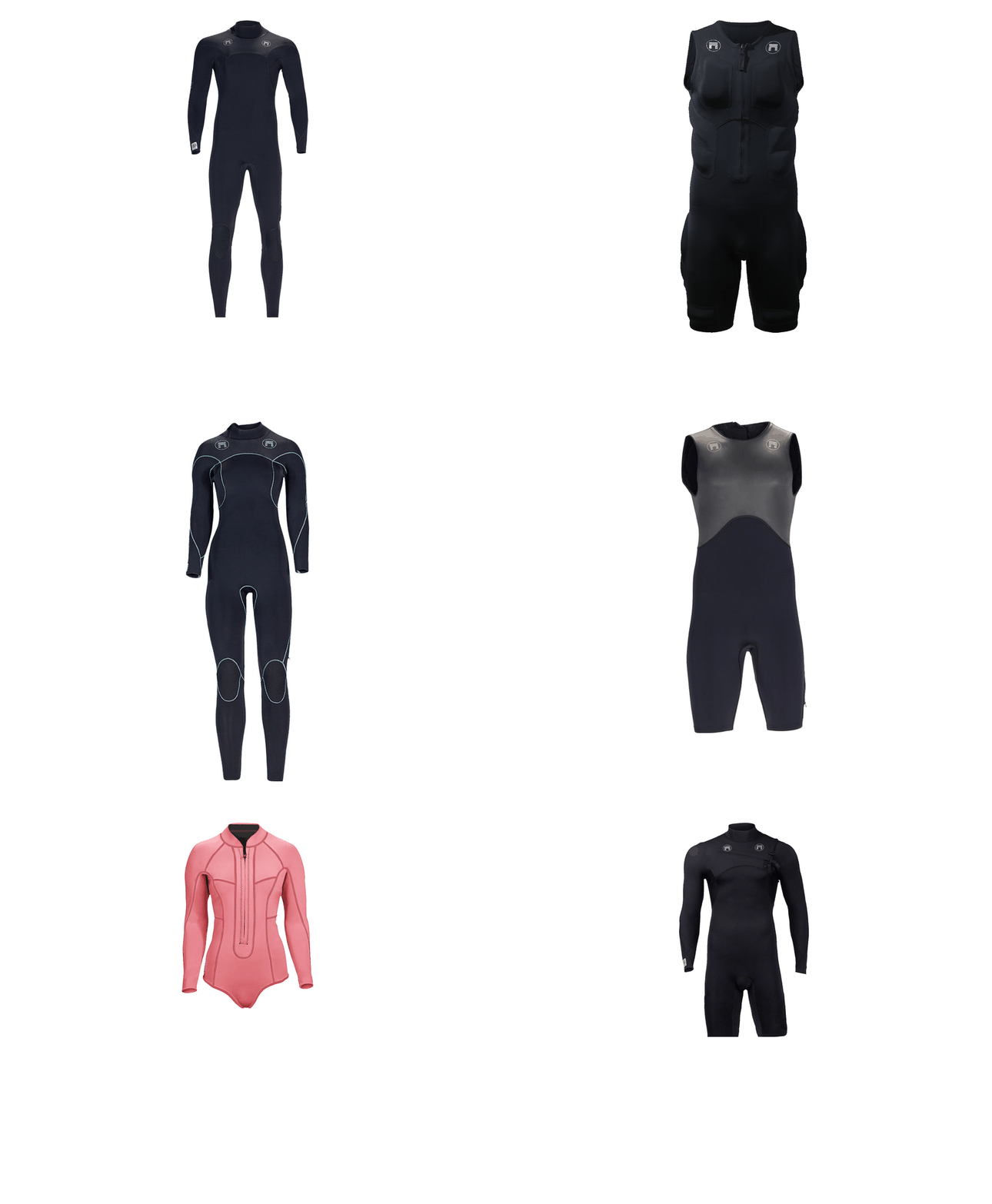
I'm addicted to the Scipio 2.0! It's my favorite for sure. I love that it's technically a 4/3 but offers the warmth of a 5/4. When it gets REALLY cold, I love my 6/5 Tumo! It's insanely warm and buoyant, while being light and flexible.
What was it about Matuse that kept you coming back?
Comfort, warmth, and quality.
Growing up, I was always shivering in the water because I didn't know any better. Now I genuinely believe a good wetsuit should be the highest priority when surfing cold water. Period. You can't have fun if you're cold and miserable! I just wish I could go back in time and give little Bryan a Matuse!
NOW IT'S TIME TO MEET LUNCHTRÉ
You spent years making artwork and photos for skateboard brands. How did that background shape the way you see waves?
That's a good question! I don't know that my art and design experience necessarily changed how I see waves, but it definitely influenced the art, design, and attitude of LUNCHTRÉ. Even our board prices are similar to a skateboard deck, because I want our boards to be affordable for the younger generation.
Tell us about LUNCHTRÉ. What were you trying to fix with your own handboard?
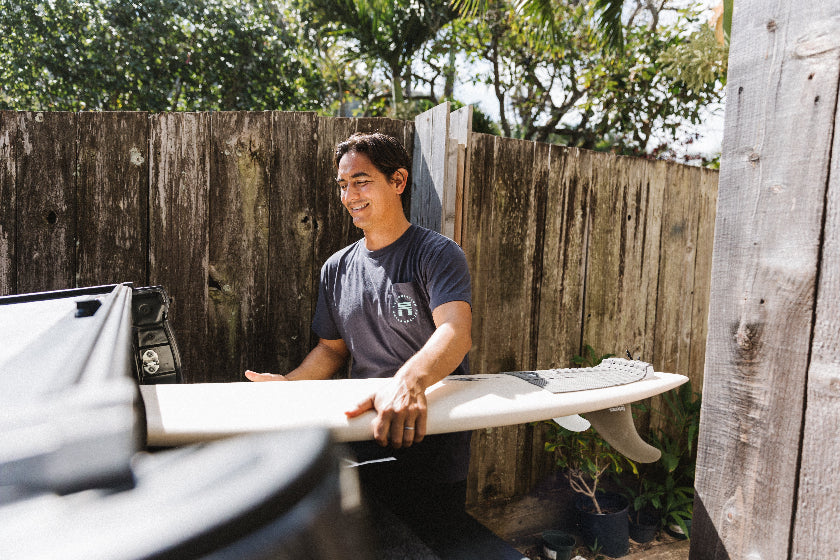
I've ridden some amazing handboards, and over time I noticed a handful of key issues like size, weight, shape, and risk of injury. Those elements have helped shape LUNCHTRÉ. In short, LUNCHTRÉ handboards are adaptable. Traditional handboards and surfboards have rigid, fixed shapes designed for specific conditions. That's why surfers own multiple boards. I can't tell you how many times I've heard someone say, "I brought the wrong board!" So I borrowed the flexibility of a snowboard, the freedom of movement you get in skateboarding, and the glide efficiency of a skimboard. Collectively, and especially as far as handboards go, it's pretty revolutionary, and we have several patents pending on our design. Need concave for a steeper face? Spread your hands apart and flex the edges down and create your own concave. Convex? Push your hands together. And if you want the ultimate speed, you can distribute your hands evenly over the board's surface to flatten it for maximum glide ratio.
How does your handboard assist you in riding the wave?
I went through countless prototypes, experimenting with construction to find the right balance of flex, stiffness, and responsiveness. In snowboarding, you can bend the board to store or preload energy, then release it like a spring or bow and arrow. I designed LUNCHTRÉ around that same principle. When you flex the board at the base of a wave, for example, the board recoils and springs back to its original shape, instead of just flopping out. I worked incredibly hard with all types of materials and thicknesses to get the response just right.
Regardless of how you bodysurf, I promise it will make you smile. It will make you laugh. It highlights the best aspects of surfing, and I am determined to help others experience it. I'll see you out there.

#lovematuse